Essay · · Vinhome Grand Park
Imagine
Imagine living in a town with zero stop signs, traffic lights, intersections, or cops...
Road rage? Nonexistent.
Pedestrians and vehicles move through the streets like a finely tuned orchestra, bound by one unspoken rule: Yield. Born of pure self-preservation, everyone yields to everyone else. The bigger the vessel, the better the odds of claiming the right-of-way—and of course, the bigger your balls, the better your ego gets fed.
Getting around is effortless.
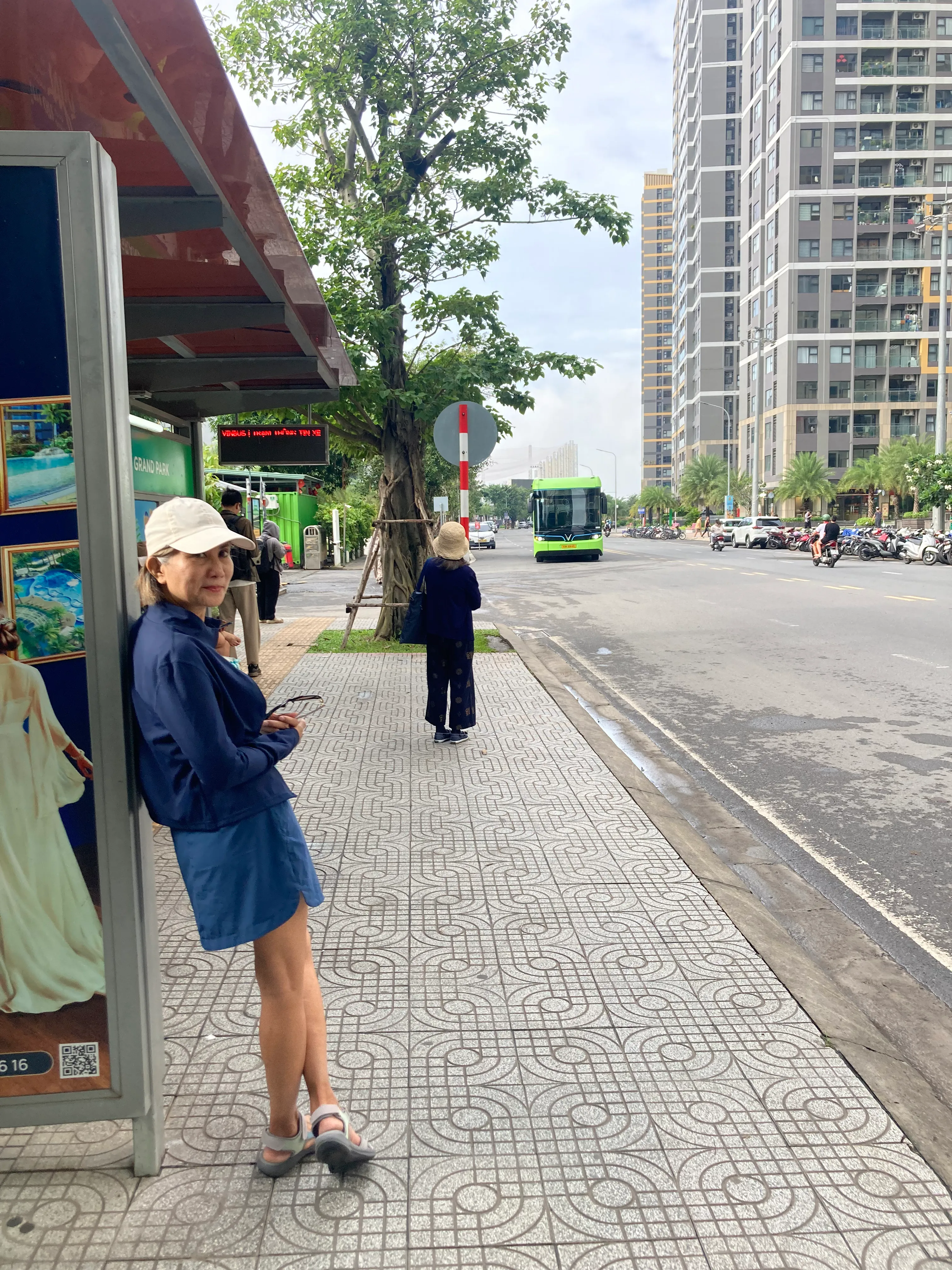
Like clockwork, complimentary, air-conditioned electric shuttles loop the internal streets and connect to the city center, running from early morning to late evening. Need to hit downtown Saigon? There’s a dedicated route for that, too. Otherwise, flag down a tuk-tuk, summon a Grab, or jump on two wheels yourself. Cars share the lanes, but scooters are most common; and for newbies, an absolute joy to ride.
The stuff urban planners dream of.
This town is known as Vinhomes Grand Park, a 271-hectare “all-in-one” megacity twenty kilometers east of Central Saigon. Once inside, you rarely need to leave.
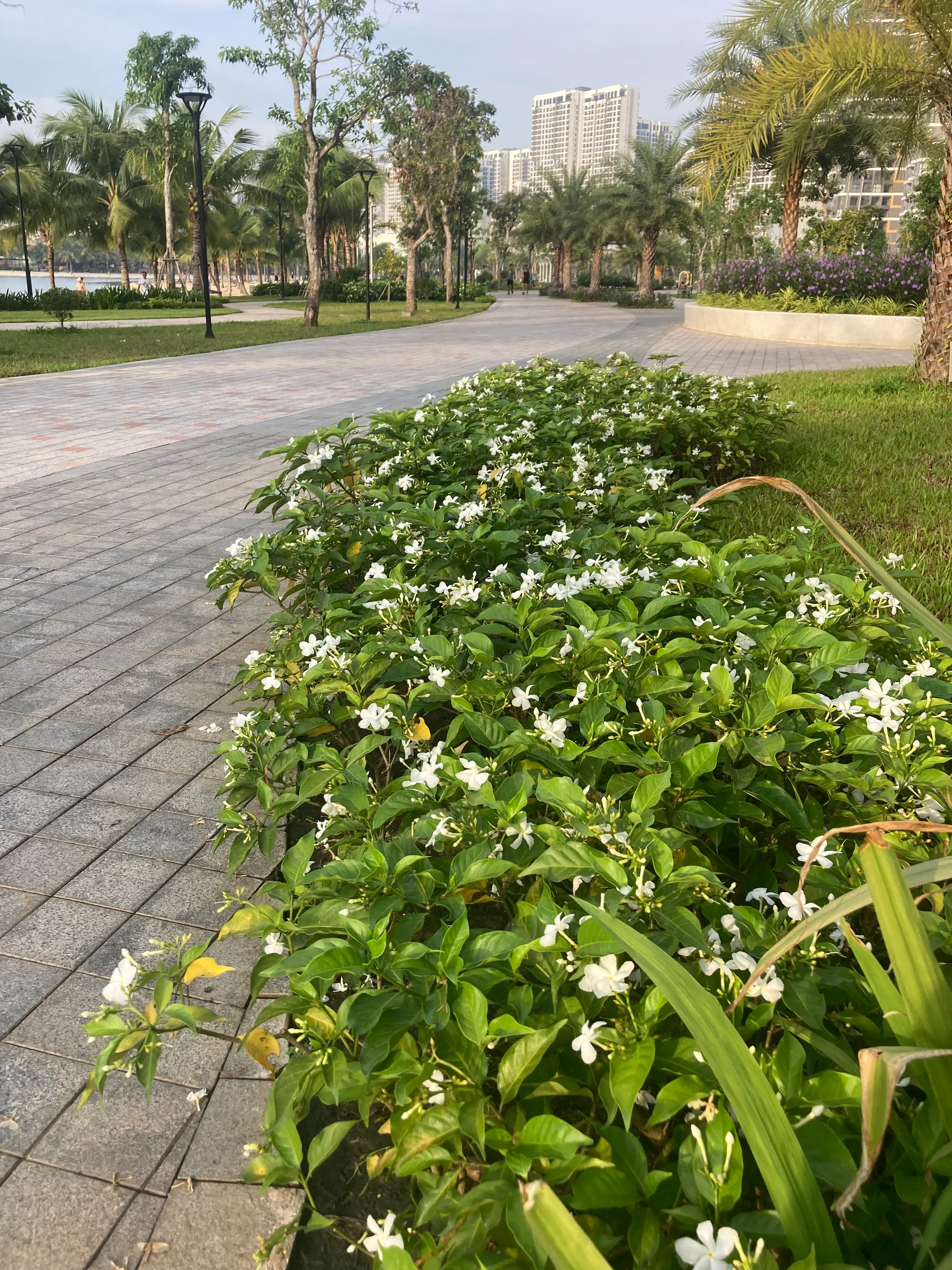
Its architecture is a statement: wide-open boulevards and expansive pedestrian promenades cut through the landscape. Approximately 1,600 townhouses and villas, along with a cluster of 81 high-rise towers punctuates the skyline, rising dramatically out of 76 hectares of dedicated water and greenery. Lively shophouses on the ground floor bring retail directly to the sidewalk while leaving the vast surrounding horizons completely open. Your daily sustenance is always just an elevator ride or a short walk away.
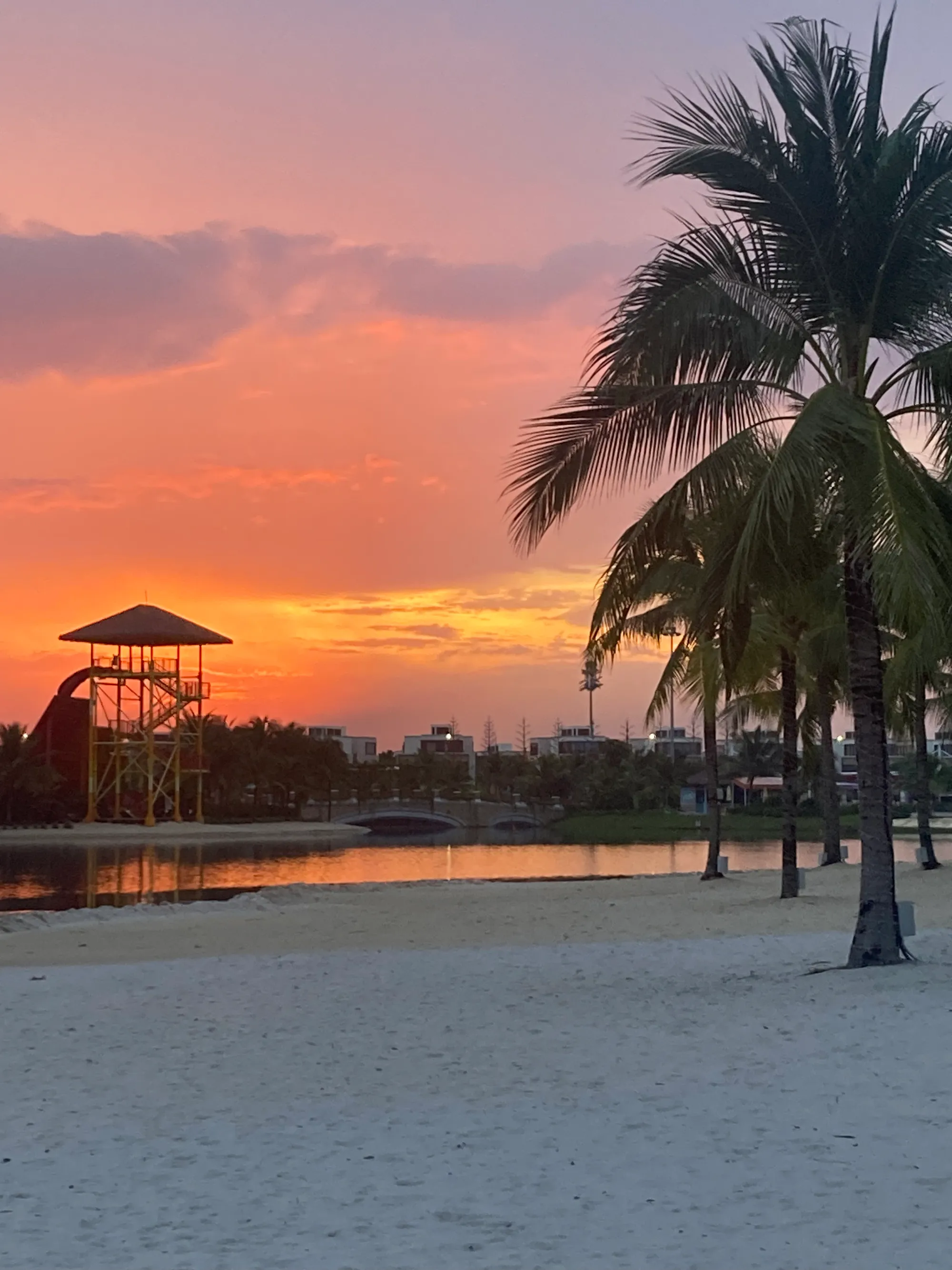
The layout tilts decisively outward; the ratio of open space to dwellings in this PUD (Planned Urban Development) sits at a stark 76 to 23 percent. The entire footprint is anchored by a 36-hectare lagoon with artificial white-sand beaches, a sprawling amusement park, and the iconic light park, Singapore-style.
The amenities are absurd. Residents have access to over 30 outdoor sports courts, 15 themed parks, and more than 800 outdoor gym machines. There are 11 resort-style swimming pools, saunas, jacuzzis, a water park, a golf facility, and a massive shopping mall.


Two private school campuses are on-site, along with a medical clinic inside the mall. Doctors and nurses also make house calls.
This is not merely a place to live. It is a place to surrender to the easy rhythm of a city built with intention.
Editorial
*It has been only six years since the first residents moved into Vinhomes Grand Park, and Vinhomes is still selling the final batches of units. We are, in many ways, still in the honeymoon phase.
Keeping the compound secure, the streets free of litter and dog shit, the flowers blooming, the palm trees neatly trimmed, and the lobby doors spotless requires an army of maintenance workers laboring around the clock. Residents pay their fair share through monthly management fees. But whether this level of upkeep—and the lifestyle it sustains—is viable in the long run remains to be seen. Eventually, things will change.
One notable development this month is the expansion of VinBus services connecting Grand Park to the wider Ho Chi Minh City public transportation network. The newly named Route 179 (formerly the GRP1 line) runs within Grand Park, while Route 180 (formerly the GRP3 line) connects the development with the city center, including stops around Lê Văn Việt, Saigon Bridge, Vinhomes Central Park, and Ba Son.
There is an especially welcome silver lining: bus rides on eligible city routes are free through December 31, 2026. The benefit applies to everyone, young and old, locals and foreigners alike. However, passengers must validate their journeys using an accepted electronic method.
For foreign passengers, the simplest option is to tap the card reader on the bus with a contactless bank card (Visa or Mastercard or digital wallets, including Apple Pay and Google Wallet). The tap only records your journey for the free-fare program; it does not charge you for the ride. Not every credit card is necessarily compatible.*